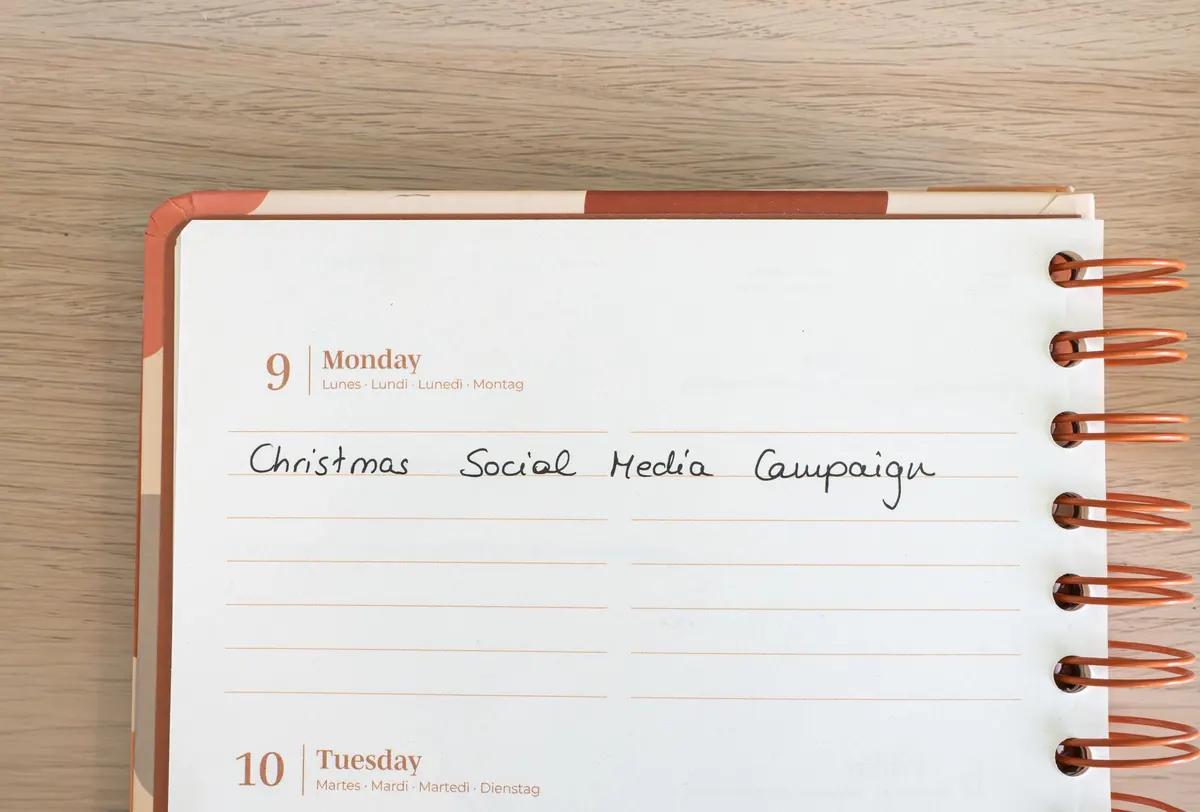
A quarterly content calendar is less a rigid schedule than a map of decisions. It tells you which seasonal ideas are worth pursuing, when drafts need to exist, and which weeks should stay open for the unexpected. The goal isn’t to predict the next three months perfectly. It’s to stop arriving at every holiday, product launch, or slow season with a blank page and a rushed brief. A good calendar gives you enough structure to publish consistently and enough slack to change course.
Begin with seasonal anchors, not a list of blog titles
Start by collecting dates that genuinely affect your readers, not every hashtag holiday. For a service business, that might mean the first week of January, when clients are setting budgets and planning the year, the end of a fiscal quarter, a major industry conference, back-to-school, or the year-end slowdown. For a consumer brand, it could include summer travel, Black Friday, and December shipping cutoffs. Write these anchors on a blank calendar before you brainstorm titles. You want the spine of the quarter first.
Then add audience rhythms: when people research, compare, buy, renew, or reflect. A post about organizing a home office may perform better in late August than in April, even if the advice is evergreen. A guide to resetting a client onboarding process may fit early January better than mid-June. Finally, mark internal dates: product launches, sales periods, staff holidays, and approval bottlenecks. A calendar that ignores your team’s capacity is fiction.
Turn the quarter into themes, angles, and formats
Once the anchors are visible, group them into three to five broad themes. A theme is a container, not a headline. “Fresh starts” can hold posts about goal setting, desk resets, and choosing a new planner. “Year-end review” can hold checklists, templates, and reflective interviews. Each theme should have enough room for several angles, because one idea rarely justifies a whole quarter.
For each theme, write one primary angle and two backups. Primary: “How to plan a writing project when your calendar is already full.” Backup: “A five-item checklist for reviewing last quarter’s content.” Backup: “Three signs your content calendar has too many ideas and not enough deadlines.” Then choose a format that fits the work: a how-to post, a comparison, a roundup, a checklist, a case study, or a short opinion piece. Mix heavy and light formats. A detailed guide may need two weeks of research; a practical checklist can be drafted in a morning. The calendar should show that balance so you don’t schedule four heavy guides in the same week.
Give every post a job before it gets a date
Not every seasonal post needs to drive a sale. Some exist to answer a common question, some to support a launch, some to keep the site active during a quiet period. Decide the job before assigning a publish date. A simple note beside each title works: “answer pricing question,” “support spring workshop,” “seasonal reminder,” “build email list,” or “refresh old post.” This prevents the calendar from becoming a wish list of topics that don’t connect to anything.
It also makes editing easier. If the job is “answer pricing question,” the draft needs clear sections and a direct call to action. If the job is “seasonal reminder,” it needs timing and relevance more than exhaustive detail. Keep one or two slots for reactive content, but don’t leave half the quarter blank. “We’ll fill it later” usually means “we’ll scramble later.”
Work backward from publication, then add buffer
Most content calendars fail at the handoff between idea and deadline. A publish date is not a writing deadline. Work backward in concrete steps:
- Choose the publish date and mark it on the calendar.
- Set the final edit and approval date at least three to five business days before publication.
- Set the first draft date one to two weeks before that, depending on research and interviews.
- Block time for assets: images, examples, internal links, and a final proofread.
- Add a buffer day before the final edit. You will need it more often than you expect.
For a 1,000-word practical post with no interviews, a realistic schedule might be: outline on Monday, draft by Wednesday, edit on Thursday, publish the following Tuesday. For a guide that needs examples from clients or a review of old material, add a week. The exact numbers matter less than the sequence. When the sequence is visible, you can move a date without pretending the work will happen by magic.
Protect the calendar from wishful thinking
Be honest about capacity. If you can produce two solid posts a month, plan for two and leave a third as optional. A calendar with eight posts and four realistic slots creates guilt, not content. Also account for different kinds of work: research, drafting, editing, design, scheduling, and promotion. A post isn’t finished when the draft is done. If you publish weekly, look at the calendar and ask whether every week truly needs a new piece. Refreshing an older post, publishing a checklist, or sending a newsletter may serve readers better than forcing a thin seasonal post. The calendar should show these alternatives, not hide them.
Build a weekly rhythm that survives interruptions
A quarterly calendar sets direction; a weekly rhythm keeps it moving. Choose one day for planning, one for drafting, and one for editing or publishing. Keep the rhythm small enough to repeat. A 90-minute planning block on Monday can be more useful than a vague promise to “work on content” all week. During that block, review the next two weeks, confirm the draft due date, and check whether any assets are missing. On draft day, write from the outline, not from a blank page. On edit day, check the post against its job: Does it answer the reader’s question? Is the seasonal angle clear? Is the call to action appropriate? Then update the calendar with what actually happened. A short note like “moved to Thursday; needed extra example” is enough. Over time, those notes show you where your estimates are optimistic.
A calendar is a tool for making promises you can keep, not a record of everything you wish you had time to write.
Review at the midpoint, not only at the end
Halfway through the quarter, spend 30 minutes with the calendar. Mark what published, what slipped, and what no longer fits. Look for themes that produced useful questions from readers or clients. If a seasonal anchor changed, adjust the surrounding posts rather than forcing the original plan. If a post is taking far longer than expected, decide whether to simplify it, split it, or move it.
This midpoint review is also the right time to start collecting ideas for the next quarter. You don’t need a full plan yet. You need a running list of dates, questions, and angles while they are fresh. That list becomes the raw material for the next calendar.
Make the next quarter easier than this one
Before you close the calendar, write three notes: one theme that worked, one deadline that was unrealistic, and one process step to improve next time. Then fill in the first two weeks of the next quarter before the current one ends. That small head start removes the usual panic of returning to an empty planning document. Keep the calendar visible, keep the buffers honest, and review it often enough that it stays useful. A seasonal content calendar doesn’t need to be beautiful. It needs to help you publish thoughtful work on time, with enough room to respond when the season changes.
Photo: Walls.io / Pexels